What Is the Best Time of Year to Clean Solar Panels?
We find that the best time to clean solar panels in Fresno County falls in early spring and early fall. These periods follow heavy pollen release and long, dusty summers. We schedule cleanings based on local weather patterns, nearby agricultural activity, and visible debris so we can maintain steady system performance without depending on limited rainfall.
Key Takeaways
- Early spring removes thick pollen buildup, while early fall clears dust that settles during extended dry summers.
- Fresno County’s arid climate, surrounding farmland, and minimal rain make seasonal timing more critical than in wetter areas.
- Most homes benefit from cleaning once or twice per year, depending on roof angle, field exposure, and visible residue.
- Visible dust, bird droppings, rain streaking, and production dips signal that we should book a cleaning.
- Professional cleaning relies on purified water and non-abrasive tools to protect panel surfaces and reduce roof safety risks.
The Best Time of Year to Clean Solar Panels in Fresno County
The best time to clean solar panels in Fresno County is usually early spring and early fall. These seasons follow the heaviest buildup of pollen and dust in our area.
Spring cleaning removes the fine yellow pollen layer that settles during peak bloom. Fall cleaning clears away the dust that builds up through long, dry summers. Together, these two windows support steady system performance throughout the year.
Most homes benefit from seasonal solar cleaning once or twice per year. The right frequency depends on exposure, roof angle, nearby fields, and visible buildup. In Fresno County, limited rainfall, agricultural activity, dry heat, and bird presence make timing more important than in wetter regions. Waiting for rain alone usually isn’t enough.
Cleaning supports normal system output and keeps panels operating as intended. It does not guarantee dramatic energy gains, but it helps prevent avoidable efficiency loss caused by dirt and debris.
How Fresno County Weather Affects Solar Panel Cleanliness
Fresno County’s climate plays a direct role in when to clean solar panels. Local conditions matter more than general nationwide advice.
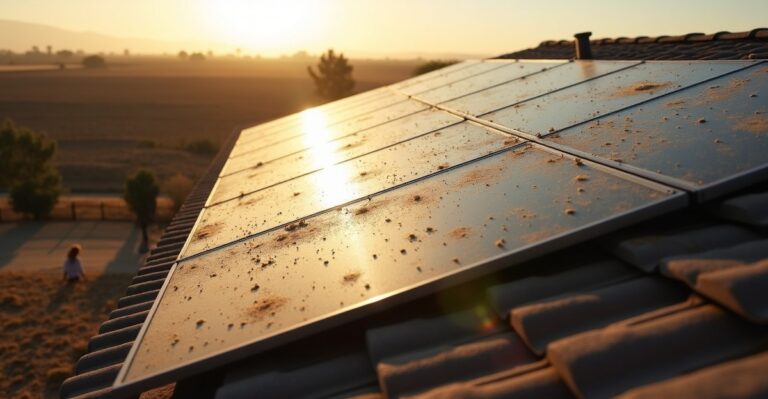
In spring, trees, grasses, and crops release heavy pollen. A fine yellow film settles across rooftops and solar arrays. Even a light coating can reduce light absorption over time.
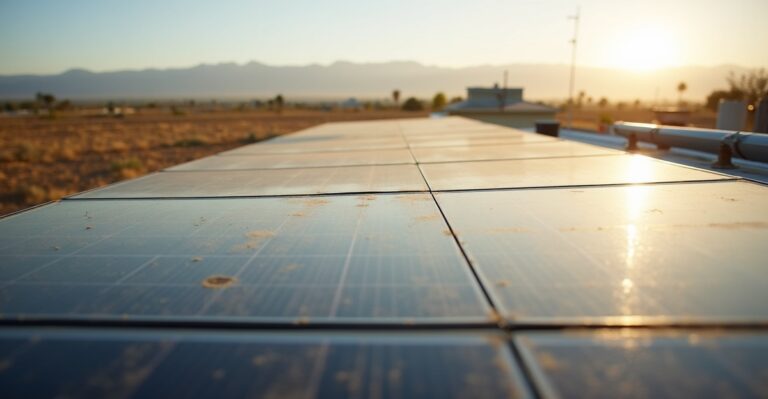
Summer is long, hot, and dry. With little rainfall to rinse panels, dust accumulates steadily. Agricultural operations, open fields, and vehicle traffic add to that layer. By late summer, many systems look visibly dull.
Early fall is often ideal for seasonal solar cleaning. It removes summer dust before winter moisture sets in. Clean panels go into the cooler months ready to capture available sunlight without a layer of residue in the way.
Winter brings occasional rain, but rainfall here is limited. Light showers may rinse loose debris, yet they often leave streaks or mineral residue behind. Panels can appear cleaner after rain but still carry buildup.
Bird activity is year-round. Nesting near rooflines leads to concentrated droppings that block sections of panels. These spots can shade individual cells and create uneven performance until removed.
Because our climate is dry and agricultural, timing depends on local exposure. Homes near orchards, fields, or busy roads usually need more attention than properties in low-dust neighborhoods.
How Often Should Solar Panels Be Cleaned?
In most Fresno County neighborhoods, cleaning once or twice per year is enough. A consistent solar maintenance schedule keeps systems in good shape without overdoing it.
For moderate exposure, we typically recommend annual cleaning. Homes with heavier dust, high pollen, nearby construction, or active birds may benefit from twice-yearly service. In rare cases, special conditions call for additional visits.
For more detailed guidance, we explain how often to clean solar panels based on environment and buildup levels.
Avoid vague advice like “clean regularly.” Instead, build a simple plan. Many homeowners schedule seasonal solar cleaning alongside gutter or exterior window cleaning. Combining services saves time and keeps exterior maintenance organized.
A realistic approach works best. Inspect panels at predictable times and act when buildup is visible. That keeps maintenance practical and cost-effective.
Clear Signs It’s Time to Schedule Cleaning
Panels don’t need cleaning on a fixed calendar date. Condition matters more than pressure or sales timing. Watch for simple, visible indicators to decide when to clean solar panels.
Common signs include:
- A visible dust layer or panels that look dull instead of glossy
- Bird droppings blocking small sections of a panel
- Heavy pollen coating during peak spring months
- Rain streaking that leaves residue after light showers
- Monitoring app notifications showing reduced performance compared to normal patterns
A drop in production doesn’t always mean there’s a system problem. In many cases, dirt or debris is the cause. A visual inspection from the ground is usually enough to spot obvious buildup.
If panels look clear and output remains steady, immediate cleaning may not be necessary. We focus on condition-based decisions to keep service recommendations straightforward and honest.
Safety Considerations and What Professional Cleaning Involves
Roof access carries real fall risk, especially on steep or multi-story homes. Safety should always come first. Walking directly on panels can also cause cracks or surface damage.
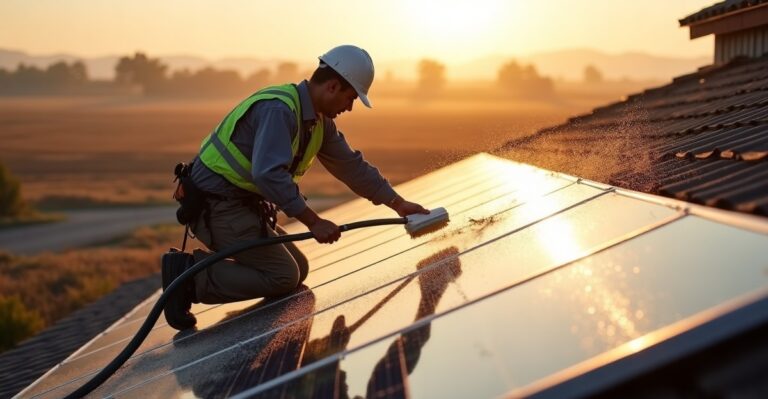
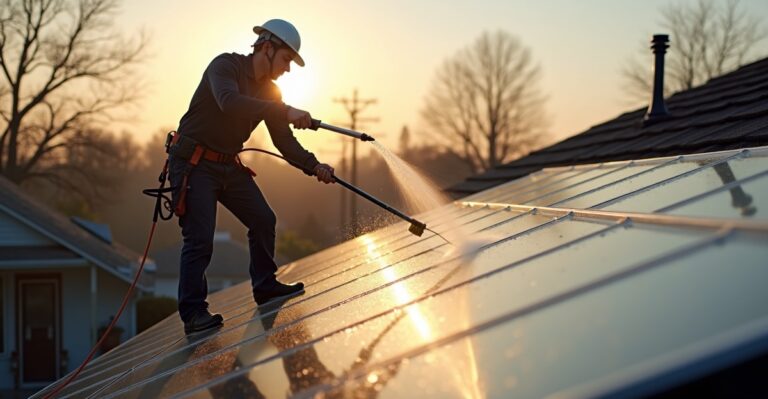
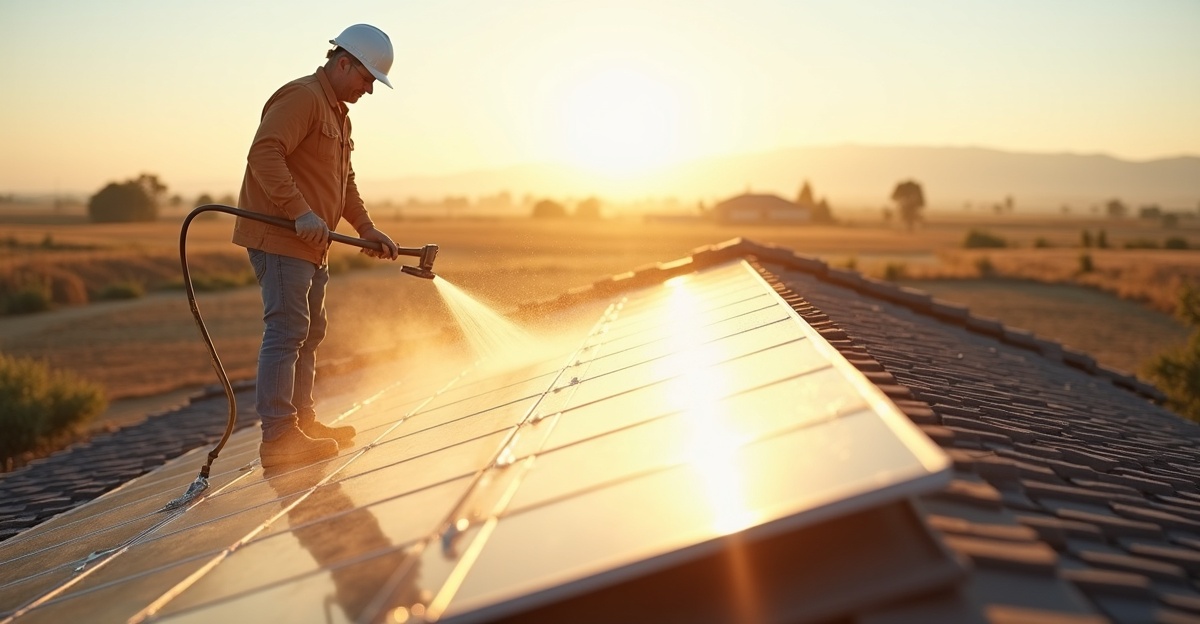
Professional cleaning uses non-abrasive tools and proper techniques. We use purified water to prevent spotting and avoid harsh chemicals that could damage protective coatings. Abrasive brushes or strong detergents are not appropriate for most residential systems.
Safe roof practices and proper equipment protect both the technician and the solar array. Controlled water use, stable ladder setup, and careful movement across roof surfaces reduce risk.
Homeowners who prefer professional service can learn more about our solar panel cleaning in Fresno. We keep the process simple, careful, and focused on practical results.
Planning a Simple, Realistic Solar Maintenance Schedule
A dependable solar maintenance schedule doesn’t need to be complicated. We suggest reviewing panels at the end of winter and again at the end of summer.
After peak spring pollen, check for visible coating. At the end of extended summer heat, inspect for dust buildup. Those two checkpoints align with the best time to clean solar panels in our region.
Start with a ground-level visual review. Look for dull surfaces, streaking, or droppings. If panels appear clear and production remains steady, schedule the next inspection rather than rushing service.
Busy households often pair seasonal solar cleaning with other exterior tasks. Planning ahead keeps maintenance predictable and avoids last-minute concerns.
If buildup is unclear or roof access is difficult, a professional inspection provides clarity. We encourage homeowners to review their current solar maintenance schedule and adjust it as needed. For questions about service timing or visible debris, it’s easy to request an inspection and get straightforward guidance.
Consistent oversight supports normal system performance year after year. Practical timing, based on Fresno County conditions, makes all the difference.