Why Do Solar Panels Get Dirty So Fast?
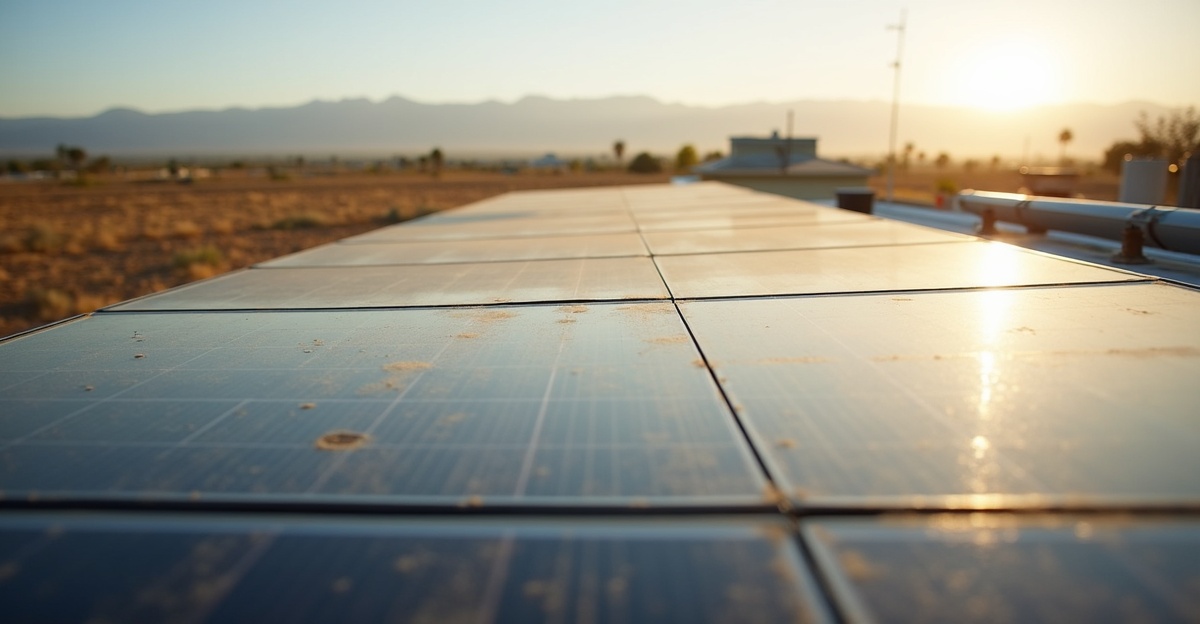
Solar panels collect dirt quickly because we leave them exposed to wind, dust, pollen, ash, and bird activity every day. In areas like Fresno County, we see this buildup happen even faster. Dry Central Valley conditions, agricultural soil, seasonal winds, and limited rainfall allow debris to settle and stay in place. Over time, that accumulation can reduce performance, even though a light layer of dust remains normal.
Key Takeaways
- Solar panels collect airborne dust, pollen, pollution, bird droppings, and tree debris because we install them uncovered on rooftops year-round.
- Fresno County’s dry climate, nearby farmland, steady wind, and ongoing construction activity increase how quickly buildup forms.
- Light, even dust remains normal, but thick layers, streaking after rain, or concentrated droppings signal heavier accumulation that we shouldn’t ignore.
- Rain can rinse away loose dirt, but it rarely restores panels to a fully clean state, especially during long dry stretches.
- Annual inspections and property-specific maintenance plans help us maintain consistent system performance and protect long-term energy output.
Solar Panels Collect Dust and Debris Faster Than Most Homeowners Expect
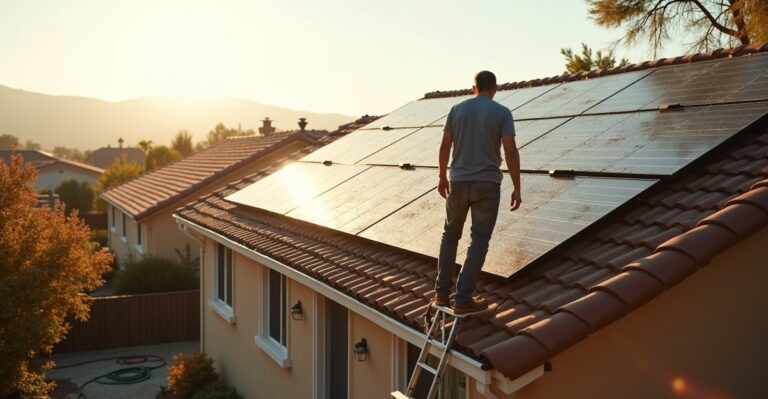
Solar panels get dirty quickly because they remain exposed to the elements 24 hours a day. Their wide, flat surface naturally collects airborne particles as they settle.
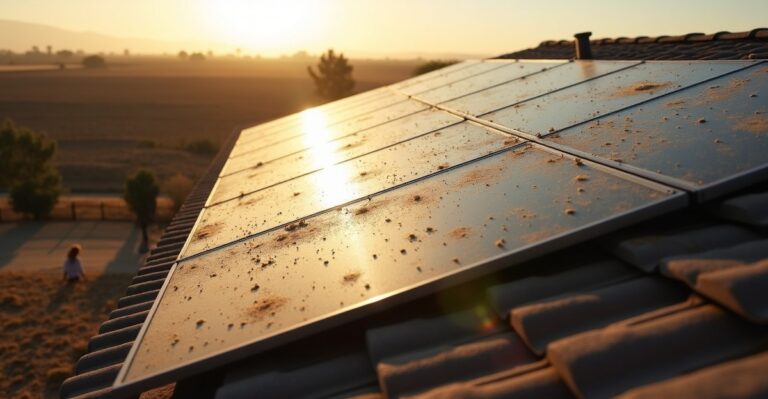
When homeowners ask why solar panels get dirty, the answer is simple. Panels sit on rooftops without protection, and everything moving through the air eventually lands on them. That includes dust on solar panels, pollen, ash, pollution, and bird droppings. Over time, these materials form a thin layer known as solar panel buildup.
Several dirty solar panel causes appear in nearly every neighborhood:
- Windblown dust and soil
- Pollen from trees and landscaping
- Bird droppings from rooftop activity
- Pollution from nearby roads
- Tree debris such as leaves and sap
- Ash from seasonal fires
Rain does help in some regions, but it rarely keeps panels fully clean. In dry areas, long gaps between storms allow buildup to accumulate.
In Fresno County and throughout the Central Valley, conditions make this more noticeable. Dry air, farmland, and seasonal winds increase the amount of airborne dust. Homes near open fields or construction zones see even faster accumulation.
This is normal for most systems. Dirty panels do not mean something is broken. However, buildup over time can reduce efficiency gradually. The effect usually develops slowly rather than all at once. Monitoring panels and maintaining them at reasonable intervals helps protect steady performance.
Fresno County Conditions That Increase Solar Panel Buildup
Local climate plays a major role in how fast panels collect debris. We see this clearly across Fresno County.
Agricultural activity produces fine soil particles that become airborne during planting and harvest. Seasonal equipment movement stirs additional dust. Winds then carry those particles into residential neighborhoods, where they settle on rooftops and panels.
The Central Valley’s dry climate also contributes. Long stretches without rain mean fewer natural rinses. Even when rain arrives, storms are often brief. They may loosen surface dirt but can leave residue behind.
Seasonal winds move soil and debris across suburban areas. Open land around developing neighborhoods increases exposure. New construction projects add concrete dust and loose soil to the air.
Spring pollen forms a visible yellow film on panels. Homeowners often notice this layer developing almost overnight. Periodic wildfire ash can add another layer of fine particles that blend into existing dust.
Bird activity also plays a role. Birds rest on panel frames and wiring. Droppings create thick, localized buildup that does not wash away easily. In some cases, bird deterrent systems help reduce recurring mess. We provide solar panel bird proofing for homes that face ongoing issues.
These conditions are typical across the Central Valley. Faster buildup here is not unusual. It reflects the environment rather than a defect in the system.
What’s Normal vs. Excessive Buildup on Solar Panels
A light, even layer of dust is normal. Most panels in dry climates look slightly dusty between rains. This forms gradually and spreads evenly across the glass surface.
Homeowners should not worry about mild surface dust. Panels are built to operate outdoors. Light accumulation alone does not require immediate cleaning.
Heavier buildup appears differently. Thick dust layers may look dull or hazy from the ground. Rare rain can leave streaking patterns where water ran over existing dirt. Pollen can cluster into visible patches. Bird droppings often appear as concentrated spots that block small sections of the panel. Debris may collect near frame edges if wind consistently blows in one direction.
Summer months often bring faster accumulation due to extended dry periods. Without rain, dirt simply remains in place and slowly increases.
Observation matters more than urgency. We recommend watching both appearance and energy production trends over time. Gradual change is normal. Sudden or consistent underperformance compared to past seasons deserves closer review.
Does Rain Clean Solar Panels? What Homeowners Should Know About Performance Impact
Light rain can rinse loose surface dirt. It often removes some dust but leaves behind residue, especially in regions with hard water or airborne pollution. In dry areas like Fresno County, infrequent rain limits natural cleaning.
Heavier storms sometimes improve appearance, but they rarely restore panels to a fully clean condition. Streaking after rain is common when dirt has already built up.
Homeowners also ask how much efficiency is lost from dust. A light layer usually causes a small decrease in output. Heavier and prolonged buildup may have a more noticeable effect over time. The impact tends to be gradual rather than dramatic.
Seasonal production changes are normal. High summer temperatures can reduce panel efficiency slightly. Shorter daylight hours in winter also affect output. Dirt is only one variable.
Consistent underperformance compared to system history is a stronger indicator that inspection may be helpful. Checking data over several months provides better insight than reacting to a single lower reading.
For a deeper explanation of timing, our article on how often to clean solar panels outlines general guidelines for different climates.
How Often Should Solar Panels Be Inspected or Cleaned in Central Valley Conditions?
In Fresno County, many homes benefit from a professional inspection at least once per year. This allows small issues to be identified before they affect long-term output.
Properties near farmland, construction zones, or open fields may need cleaning more frequently. Roof angle also matters. Flatter panels collect and hold more debris. Tree cover and nearby landscaping can increase pollen and leaf buildup.
It is normal for panels to look dusty during dry months. Appearance alone does not always justify immediate cleaning.
Several signs suggest that professional evaluation may be useful:
- Thick visible buildup across multiple panels
- Noticeable residue or streaking after rain
- Gradual decline in production compared to the same season in previous years
- Safety concerns about accessing the roof
Every property differs. Monitoring system performance and visual condition provides the most reliable guidance.
For additional maintenance insights, we share practical resources in our solar care blog.
Safe, Practical Solar Panel Cleaning Options for Homeowners
Some homeowners consider cleaning panels themselves. While rinsing from the ground may remove loose dirt from low, accessible systems, climbing onto a roof carries fall risk. Improper tools can also scratch glass or damage wiring.
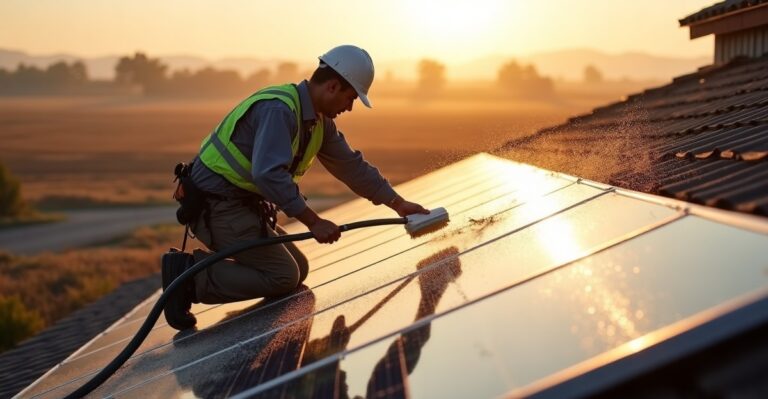
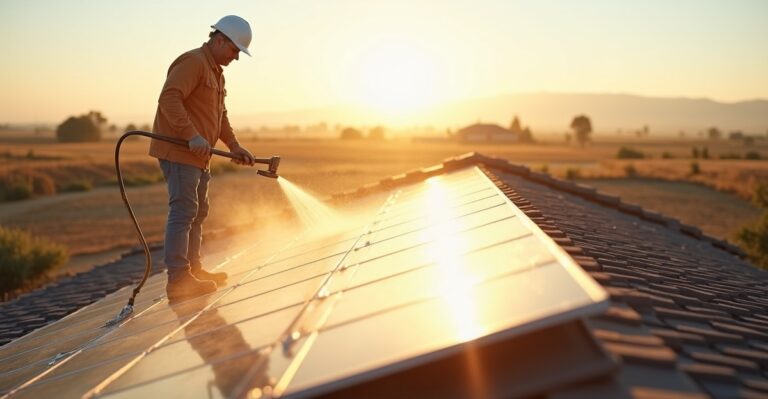
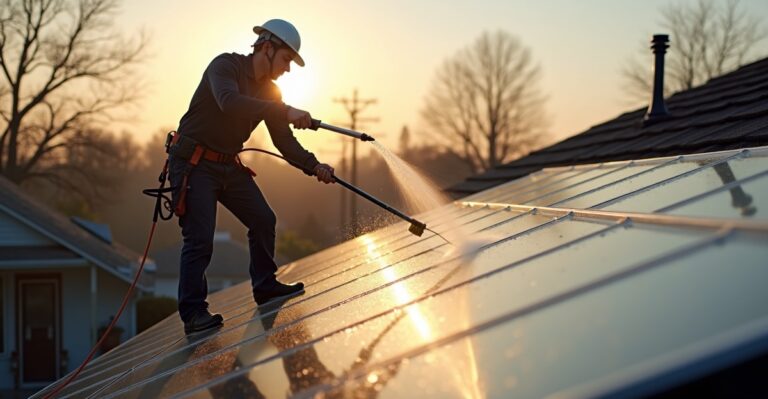
Professional solar panel cleaning involves controlled roof access, appropriate safety equipment, and tools intended for the panel surface. We use methods that avoid abrasive materials and harsh chemicals. The goal is simple surface cleaning without harming protective coatings.
Many homeowners prefer professional service for practical reasons. It saves time and removes safety concerns. It can also improve the overall appearance of the roof.
We provide solar panel cleaning in Fresno, CA for homeowners who want a straightforward maintenance option. Cleaning is not an emergency fix. It is part of routine care in dusty environments.
Understanding why solar panels get dirty helps homeowners make informed decisions. Local conditions in the Central Valley naturally lead to accumulation over time. A periodic inspection and a realistic maintenance plan keep systems operating steadily.
Homeowners who want to review their system’s condition can request an inspection or quote through our contact page. We assess visible buildup, location factors, and performance trends to determine whether cleaning makes practical sense for that specific property.