What Is Solar Panel Cleaning and How Does It Work?
What is solar panel cleaning and how does it work? Solar panel cleaning involves removing dust, pollen, bird droppings, and other debris from the glass surface of panels using purified water, non-abrasive tools, and safe roof access methods to restore proper sunlight exposure and maintain system performance.
We define solar panel cleaning as a controlled maintenance process that keeps panels clear and operating as intended. Dirt and debris block or scatter sunlight. That buildup limits how much light reaches the photovoltaic cells. Reduced light lowers energy output.
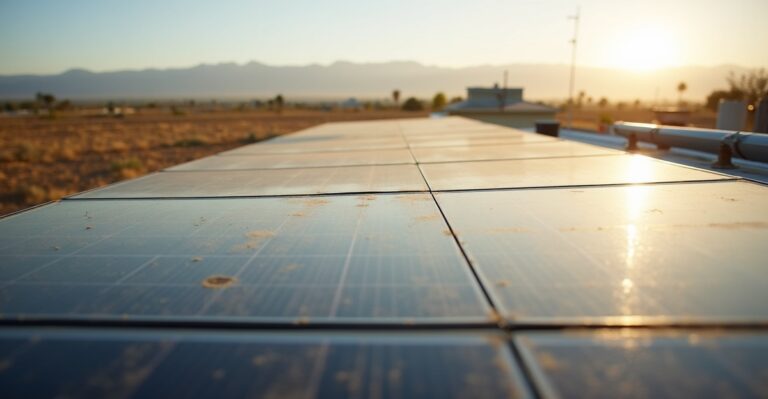
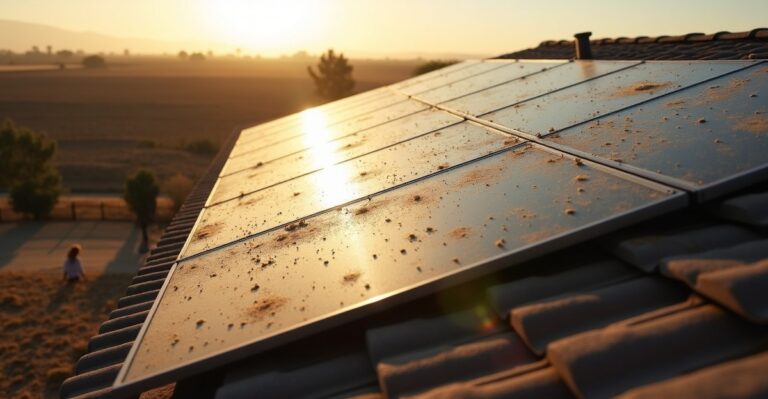
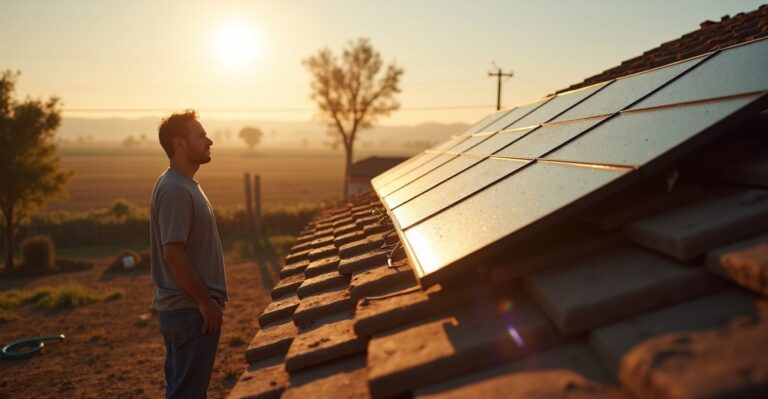
We start with a visual inspection. We look for dust layers, pollen buildup, bird droppings, sap, and any film left by agricultural activity or nearby construction. After we assess the surface condition, we set up safe roof access and fall protection. Safety drives every step.
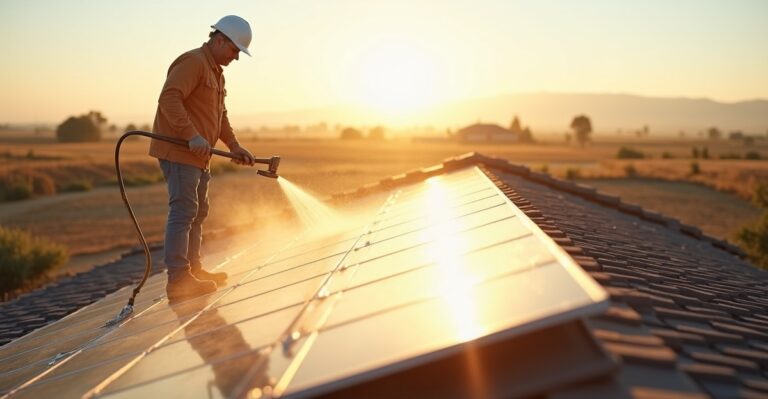
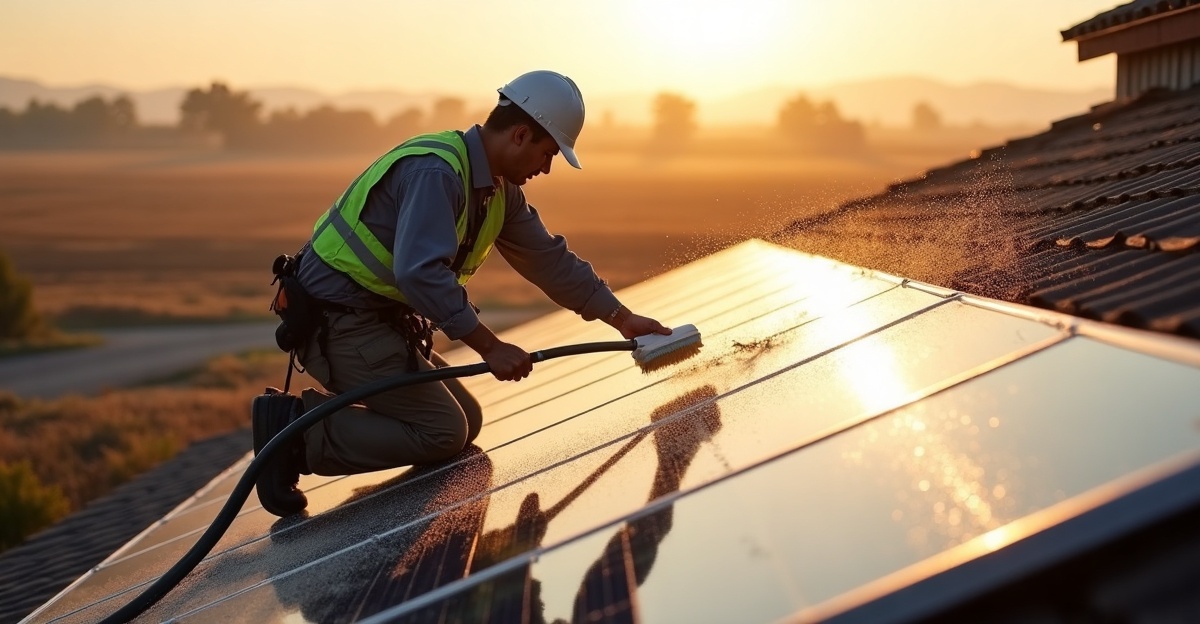
Next, we use soft brushes and deionized or purified water. Those tools lift debris without scratching the tempered glass. We avoid harsh chemicals and high-pressure washing. Excess pressure can damage seals, frames, or roofing materials. Our goal stays simple. Clean the surface while protecting the system.
We rinse the panels with controlled water flow. Purified water leaves no mineral spots or residue. Tap water often dries with spotting, which can create new buildup. We finish with a final visual check to confirm the panels look clear and the mounting hardware remains secure.
Regular cleaning helps panels capture available sunlight more effectively. We never claim fixed percentage gains. Site conditions vary. Still, clear panels consistently support better system consistency and long-term reliability.
In agricultural regions like Fresno County, we often see faster buildup. Wind carries fine dust. Tractors and harvest activity stir debris into the air. Birds perch on rooflines and leave droppings that harden under heat. In these conditions, periodic cleaning makes practical sense.
We base cleaning frequency on environment and visible buildup. Some properties need annual service. Others need attention more often. We recommend inspections if production drops without a clear equipment fault.
Professional service protects your investment. We safeguard the glass, the array hardware, and the roofing system during each visit. That careful approach supports steady performance and helps extend the operational life of the installation.
Key Takeaways
- Solar panel cleaning removes visible buildup that can block or scatter sunlight and reduce energy production
- The process includes inspection, safe roof setup, gentle brushing, controlled rinsing with purified water, and a final visual check
- Professional service focuses on protecting the glass surface, mounting hardware, and roofing materials during cleaning
- In areas like Fresno County, dust, agricultural debris, pollen, and bird droppings often justify periodic cleaning
- Cleaning frequency depends on local conditions and visible buildup, not fixed performance claims or guaranteed energy gains
Do not modify or enhance the wording; the text must remain identical except for the HTML markup. Do not convert the first sentence or introductory text into a heading — it must remain a normal paragraph (<p>).
What Solar Panel Cleaning Is and Why It Matters
Solar panel cleaning is the process of removing dirt, dust, pollen, bird droppings, and other debris from the surface of solar panels so they can absorb sunlight properly.
Solar panels rely on direct sunlight reaching the solar cells. When buildup collects on the glass surface, it can block or scatter that light. As debris increases, energy production can decrease. Cleaning helps restore efficiency when visible buildup is present. We avoid exaggerated claims about specific percentage gains because performance depends on system size, weather, and how dirty the panels are.
In Fresno County, certain conditions make buildup common. Dry summers create heavy dust. Nearby agricultural activity can carry fine debris onto rooftops. Seasonal pollen sticks to glass surfaces. Bird activity often leaves droppings that do not rinse away easily.
Panels are built to handle outdoor conditions. Light dust and occasional rain exposure are expected. However, if we can see dirt, streaking, or droppings from the ground, cleaning may be justified. Visible buildup is usually the clearest sign that service could help.
How the Solar Cleaning Process Works Step by Step
Many homeowners want a clear explanation of the solar cleaning process without technical language. Here is how solar panels are cleaned in practical terms.
First, we perform a visual inspection. We check the panels from the ground and, when necessary, from the roof. We look for heavy buildup, obvious cracks, loose components, or signs of wear. This step confirms that cleaning is appropriate and helps us plan safe access.
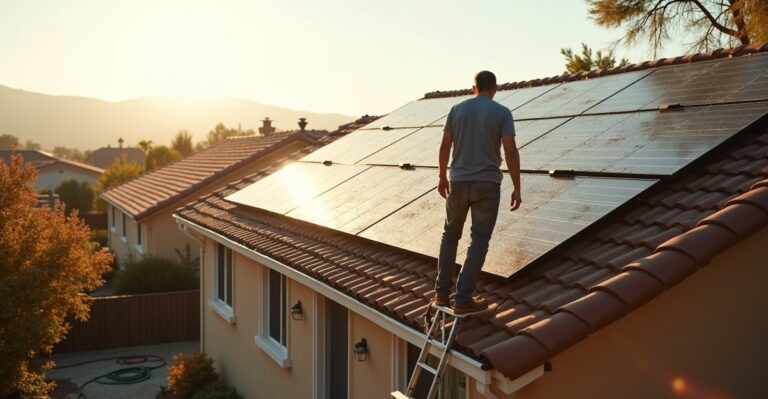
Next, we set up for safety. Roof access requires careful ladder placement and stabilization. We assess roof pitch, material, and surrounding conditions. When required, we use fall protection. Safety is always addressed before water or tools come out.
After setup, we use purified or deionized water. Standard tap water often contains minerals. Those minerals can leave spots or residue once the water dries. Purified water helps rinse panels clean without streaking.
We then use non-abrasive brushes and soft tools made specifically for solar panels. We do not use harsh chemicals or abrasive pads. The goal is to lift dirt gently without scratching the tempered glass surface.
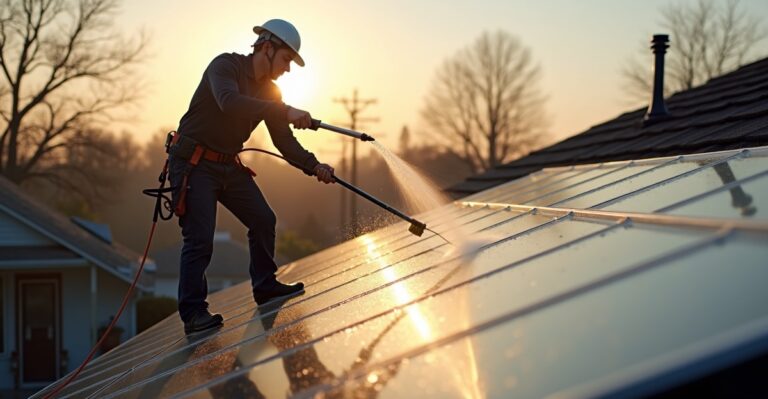
Once debris is loosened, we rinse the panels carefully. Water flow is controlled. We avoid spraying strongly at panel edges or seams to prevent forcing water into electrical components or mounting hardware.
Finally, we conduct a visual check. We confirm the panels are clean and ensure the surrounding roof and ground area are left tidy. Any visible debris that washed down is removed. Homeowners are left with a clean system and no mess around the property.
This step-by-step solar cleaning process keeps the focus on safety, proper tools, and protecting the system.
What a Professional Solar Panel Cleaning Service Includes
A professional solar panel cleaning service covers more than rinsing panels with a hose.
At Lumon Cleaning, our solar panel cleaning service includes:
- Roof access with proper ladder setup and safety assessment
- Use of professional-grade, non-abrasive brushes and extension tools
- Purified or deionized water systems to prevent mineral spotting
- Careful handling to avoid scratching glass or disturbing mounting hardware
- A visual inspection during cleaning to identify visible cracks, loose wiring, or heavy debris
- Cleanup of any runoff or debris around the home
We focus on safe access and correct technique. Solar panels sit on rooftops, often at steep angles. Walking improperly on tiles or shingles can cause damage. Using the wrong tools can scratch the glass surface. Improper pressure can push water into sensitive areas.
Professional service addresses those risks directly. Equipment is selected specifically for solar glass. Water quality is managed. Roof surfaces are treated with care. The goal is to maintain both the solar system and the roofing underneath it.
How Often Solar Panels Should Be Cleaned in Fresno County
Cleaning frequency depends on local conditions and the setup of the home.
In Fresno County and surrounding areas, many systems benefit from cleaning about once per year, or whenever buildup becomes clearly visible. Heavy dust, agricultural debris, seasonal pollen, and bird droppings all contribute to accumulation.
Roof angle also plays a role. Steeper pitches may shed light dust more easily. Flatter roofs tend to hold dirt longer. Nearby trees increase pollen and leaf debris. Homes with frequent bird activity may see concentrated spots that require attention sooner.
Rain can help rinse loose dust. However, rain often does not remove stuck-on debris or droppings. Once residue dries, it may remain until physically cleaned.
We recommend simple visual monitoring from the ground. If panels look cloudy, streaked, or heavily spotted, it may be time to schedule service. For more detail on timing, our guide on how often to clean solar panels explains local factors in greater depth.
DIY vs. Hiring a Professional: Safety and Practical Considerations
Some homeowners consider cleaning panels themselves. That choice requires careful evaluation.
DIY cleaning involves working at height on a sloped roof. Slips and falls are real risks, especially on tile surfaces. Improper ladder setup increases that risk. Many homeowners also lack fall protection equipment.
Tool selection is another concern. Abrasive brushes or harsh chemicals can scratch glass and void warranties. Using untreated tap water may leave mineral deposits. High-pressure washers can damage seals or force water into sensitive components.
Professional service reduces these risks. Experienced crews understand roof safety and secure ladder placement. Fall protection is used when required. Purified or deionized water systems prevent spotting. Soft brushes and controlled water flow protect the panels.
DIY cleaning is not universally unsafe. However, it should only be considered if roof access is comfortable and safe, and if proper tools are available. Many homeowners decide that professional service is the safer and more practical option.
Common Questions About Solar Panel Cleaning
Is the cleaning process safe for the panels?
When we use non-abrasive tools, purified water, and proper technique, the process is intended to avoid damage. Careful water control and soft brushes help protect the glass surface.
Can dirty panels lose production?
Yes. When debris blocks sunlight, energy production can decrease. Removing buildup allows sunlight to reach the cells more effectively.
How long does service typically take?
For a typical single-family home, service often takes a few hours. Time depends on system size, roof layout, and the level of buildup.
Does cleaning guarantee higher energy savings?
No guarantees are made. Cleaning can help restore efficiency when buildup is present, but results vary based on weather, system condition, and local factors.
Homeowners who prefer professional help can request an estimate or schedule a solar panel cleaning in Fresno for safe and proper maintenance. We are always available through our contact page to answer questions and help keep solar systems performing as they should.